Monday, July 23, 2018

Kayaking in Le Bic National Park

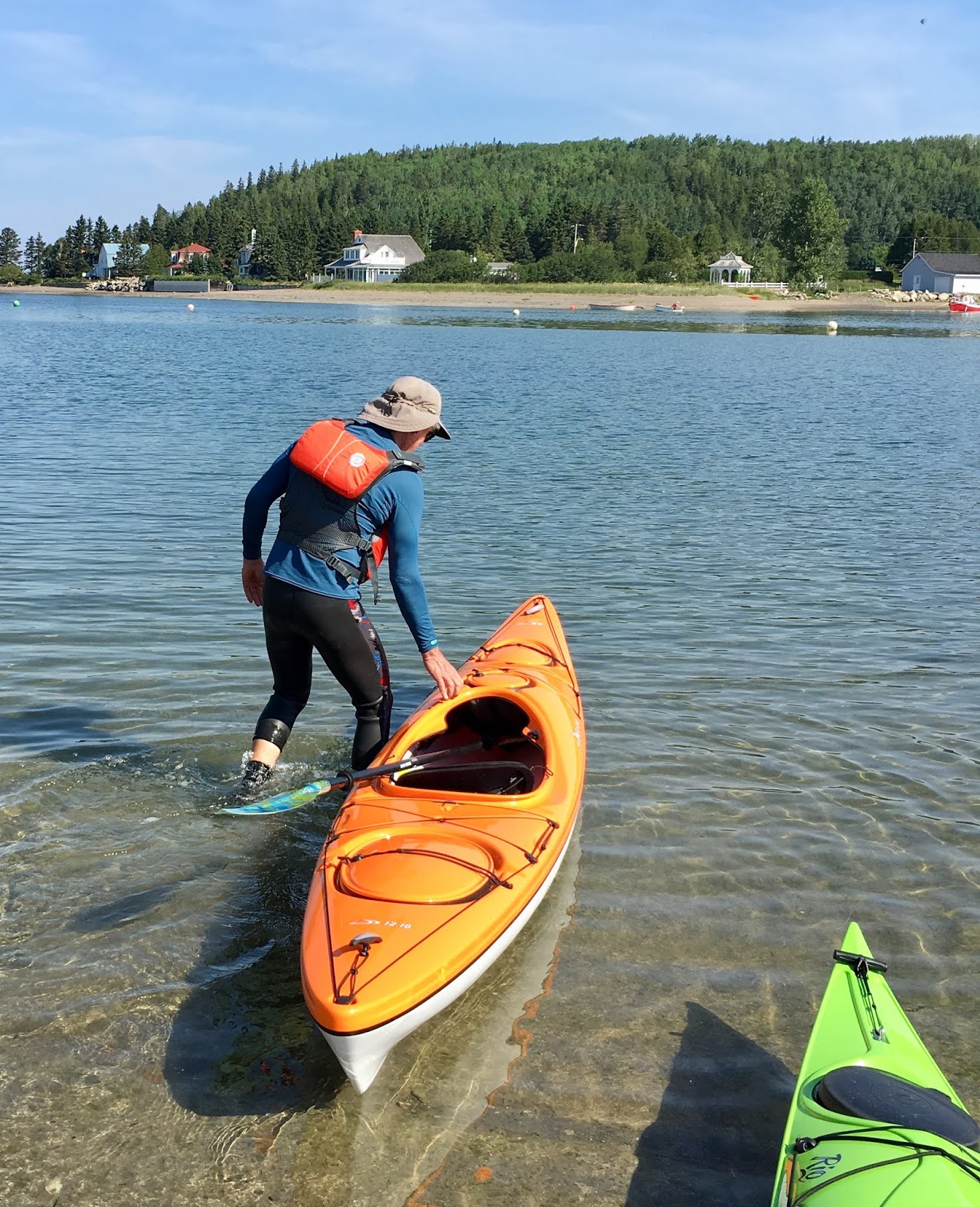
Kayaking in Le Bic National Park is lots of fun. Before setting out we checked the tidal charts for the next high tide - 10 o'clock that morning. We put in about 9 a.m. in near perfect conditions - winds calm, the water smooth as glass, sunny skies. We headed to a small forested island that is a rookery for great blue herons. We could see them perched on the tops of spruce trees. We heard their loud calls. We then paddled across the bay to a peninsula which we explored a bit. It was a great day to be on the water.

On the loading dock

Getting in the kayak

Heading out

Lisa cruising along

Lisa in calm waters off Bic National Park

Saturday, July 21, 2018

An unexpected guest - a former owner of our house and an avid gardener

It was a quiet Friday afternoon when the doorbell rang. I expected it to be someone looking to buy antiques. I say this, because the previous owner, from 1999 until this past spring, sold antiques from the house. We've been getting two or three people a week, dropping by the house, expecting to find Daniel, the antique dealer. Instead, they found two Americans, who speak little French and aren't selling antiques.
Today was different. And a big surprise. The previous owner of our house, from 1973 to 1999, was at the door, wanting to get a glimpse of his former house. It was interesting to hear Evon talk about the house - it was built as a one classroom schoolhouse with upstairs living space for the teacher. He also pointed out several changes that Daniel, the antique dealer, had made.
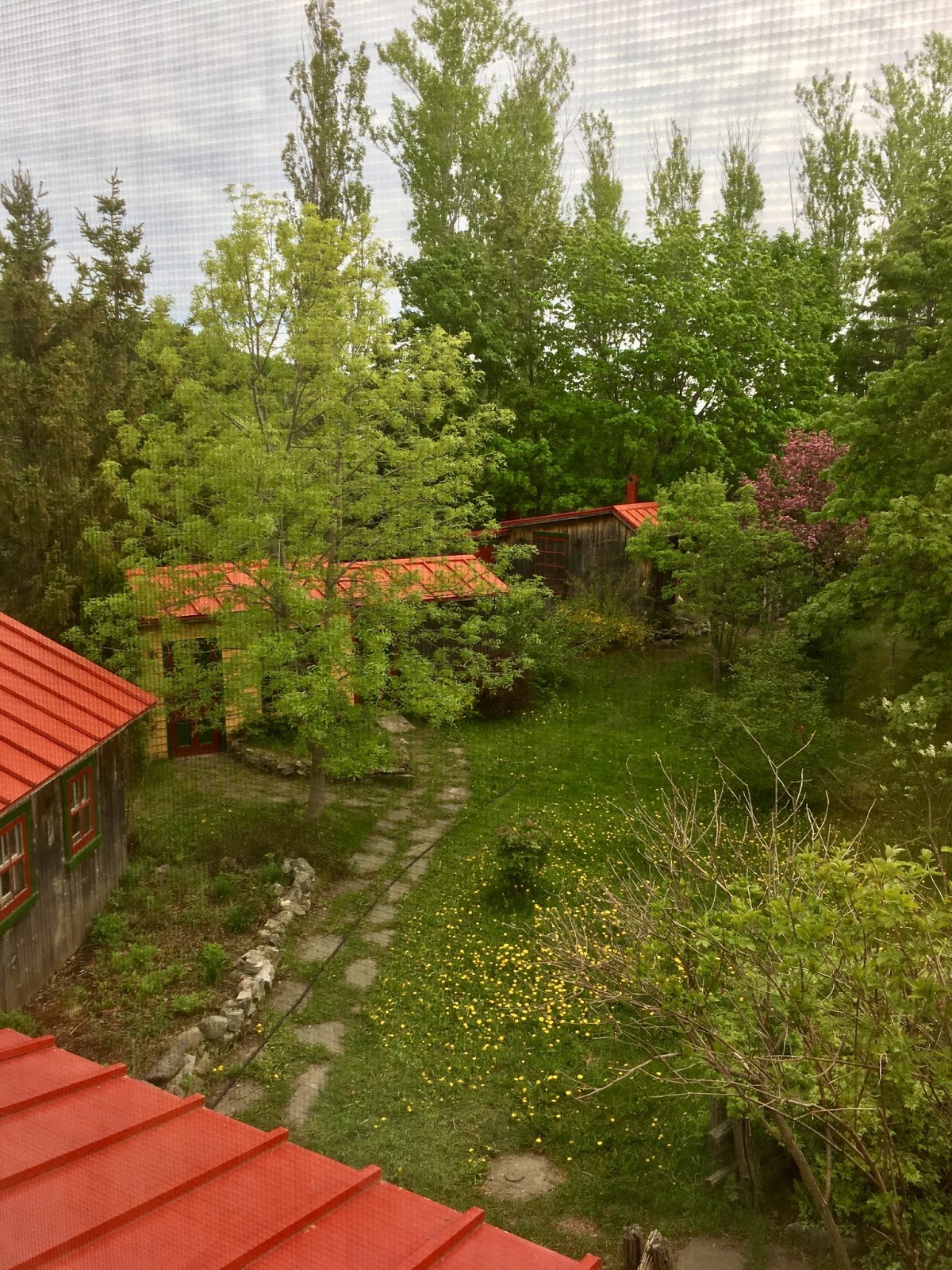
We also learned that Evon, and his wife (now deceased), were avid gardeners. They planted the large spruce, sugar maples, quaking aspen, paper birch and other large trees which form the bones of the current garden. Evon mentioned that fill dirt from construction of the adjacent highway comprised much of the soil around the house. To facilitate creating a garden, he added several truckloads of better soil to the site.
Looking at the many large trees and other plants they planted, it was obvious that Evon and  his wife had done a ton of work on the landscape. I thanked him for it. He, in turn, was happy to sense that my partner and I will be good caretakers of the landscape.
The photos below are just a few of the trees that Evon and his wife planted in the last quarter of the 20th Century.


Evon and his wife likely planted this paper birch
Other trees in our garden


Friday, July 20, 2018

From farmland to seacoast, a fun bike ride

I had a great bike ride from my house in Le Bic to Saint Fabien along the Gaspe Peninsula via back roads through rolling hills covered in hay and grain fields and other interesting sites. From Saint Fabien, I crossed Hwy 132, riding up and over the ridge to Saint Fabien-ser-Mur, a wonderful seaside village along the Saint Lawrence Seaway. I rode east on the small coastal road dotted with interesting homes and beautiful views of the water until it ended at Bic National Park. Below are photos of some of the things that caught my eye.

Fields of hay and other crops on rolling hills.
The forested ridge in the background is part of Bic National Park
An old barn

Farm with silos

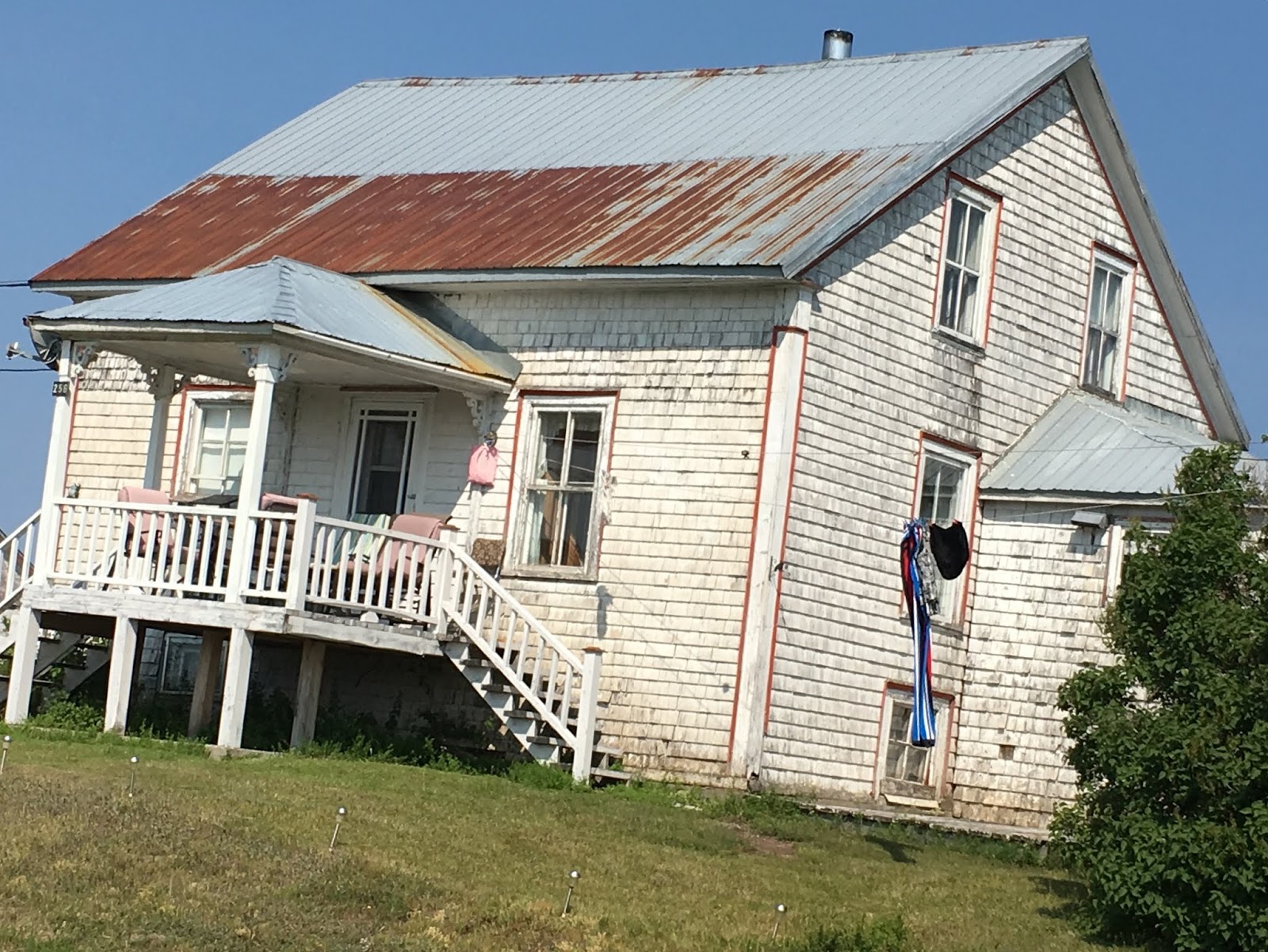
Old farm house


Along the road with yellow canola fields in background

Grain crop

Recently baled hay wrapped in plastic

Lumber operation just outside Saint Fabien
Truck parked at lumber operation loaded with wood and ready to go.


Train traveling down the single track.

Saint Fabien

Historic Catholic Church in Saint Fabien

Theater in Saint Fabien.
 Lots of concerts, plays, and other activities take place here.


Steep grade with view of Saint Fabien-sur-Mer

Saint Fabien-sur-Mer 

Entrance to hiking/biking trail at Parc National du Bic
in Saint Fabien-sur-Mer


My kind of morning

Woody, our golden retriever, rousted me out of bed a bit earlier than normal - about 5:15 a.m. I threw on some clothes and walked Woody up the street, along our yard, the neighbors house, an old barn, and fields of hay and corn blanketing the rolling hills. As we walked, the sun was rising over the ridge, the light softened by clouds. I fed Woody, then the chickens (5 hens and a rooster).
I spent the next hour or so gardening - pruning, adding mulch to a couple of peonies, and watering. Woody tagged along. Back in the house, I made some coffee for my partner and me. Had just enough time to do some stretching and strengthening exercises before sitting down for breakfast. Lisa and I usually eat omelets, with fresh eggs from the chickens. Today, I settled for cereal with fresh fruit and yogurt.
I headed out for a bicycle ride about 9 o'clock (having cycled yesterday, Lisa opted for a hike). It was a great ride on back roads through farmland to the town of Saint Fabien. After crossing busy Hwy 132, I rode up and over the ridge to Fabien-sur-Mer, with its small scenic road along the edge of the Saint Lawrence Seaway. This lovely road with seaside homes ends at the far western entrance to Bic National Park. Riding through the forests and meadows of the Park on well-kept gravel paths is a pleasure, but also a bit dicey on my smooth, skinny (25 mm) tires. After riding through the Park, I returned home on Hwy 132, completing a loop of just under 20 miles, according to my Apple watch.
It was a great way to spend the morning. A follow up post will describe the bike ride in more detail.
View from the back road to Saint Fabien from Le Bic

Ride along coastal road in Saint Fabien-sur-Mer

Western entrance to Bic National Park from coastal road in Saint Fabien


Tuesday, July 17, 2018

What are those yellow fields along the Gaspe Peninsula?

Flowering fields of canola are currently forming striking swaths of yellow amongst the green to brown hayfields along the Gaspe Peninsula. The photos shown were taken in Quebec Province, just a few miles from our house in Le Bic.
The seeds of canola are harvested and crushed to make canola oil for human consumption and canola meal for livestock feed. It's Canada's most valuable crop, generating 27 billion to the economy.


The yellow fields depict the yellow flowers of canola, an important seed crop. 

The yellow fields of canola amongst recently harvested  hay fields
near Le Bic on the Gaspe Peninsula

Nearby peatland with pitcher plants

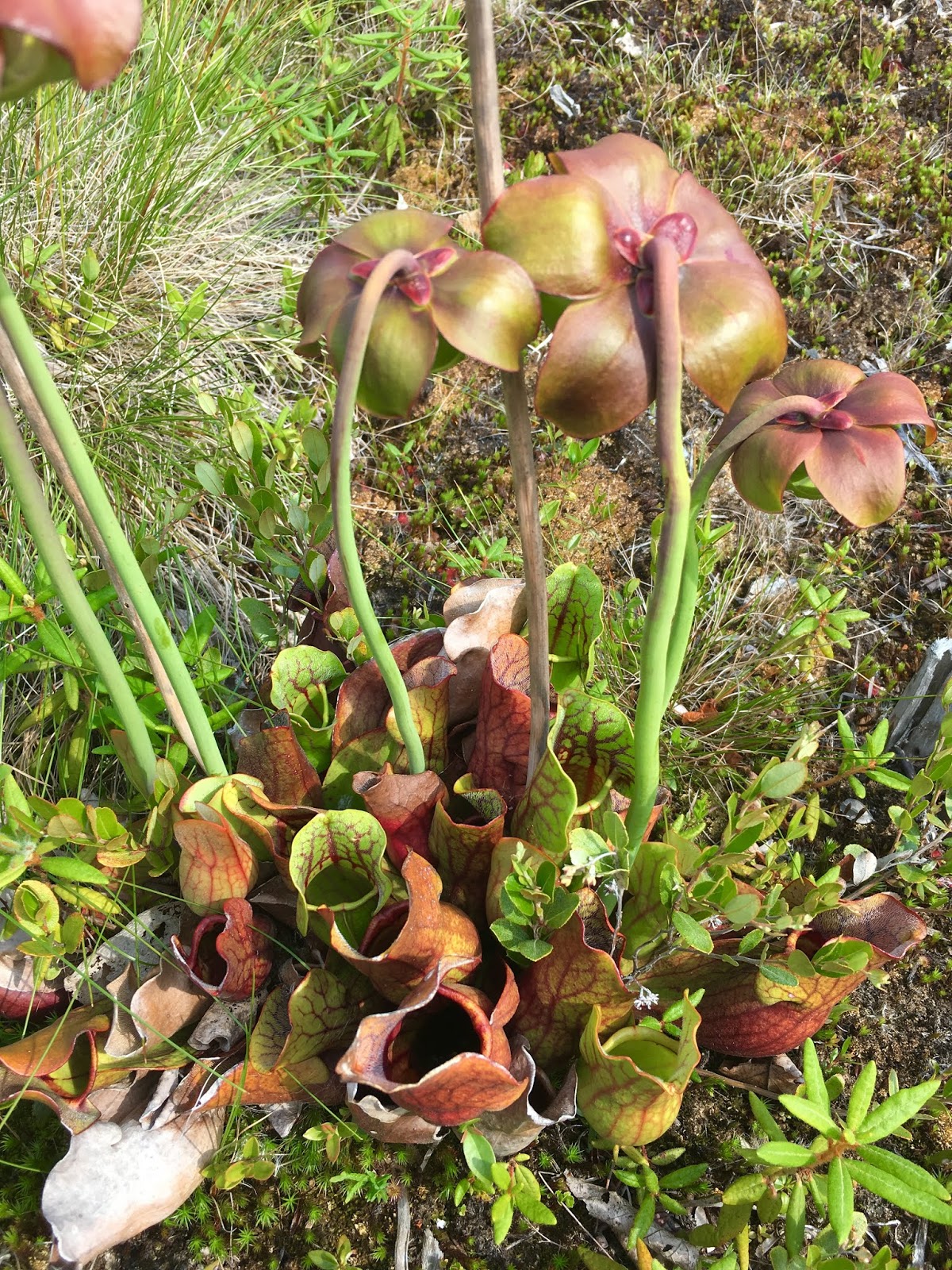
I recently stumbled upon a fairly large peatland with vegetation ranging from recently disturbed open areas to sedge bog and cattail marsh just a few miles from our house. In more open areas, where competition from other plants is minimal, one finds insectivorous plants such as purple pitcher plant (Sarracenia purpurea) and sundews (Drosera). Sedge-dominated bogs and cattail marshes also occur. It's an interesting site which I hope to explore more fully. I'd also like to find out if the site is protected.

Open peatland with small population of purple pitcher plant
(Sarracenia purpurea)

Purple pitcher plant (Sarracenia purpurea).
 This species  also occurs in mountain bogs in the southern Appalachians

Close-up of purple pitcher plant (Sarracenia purpurea)

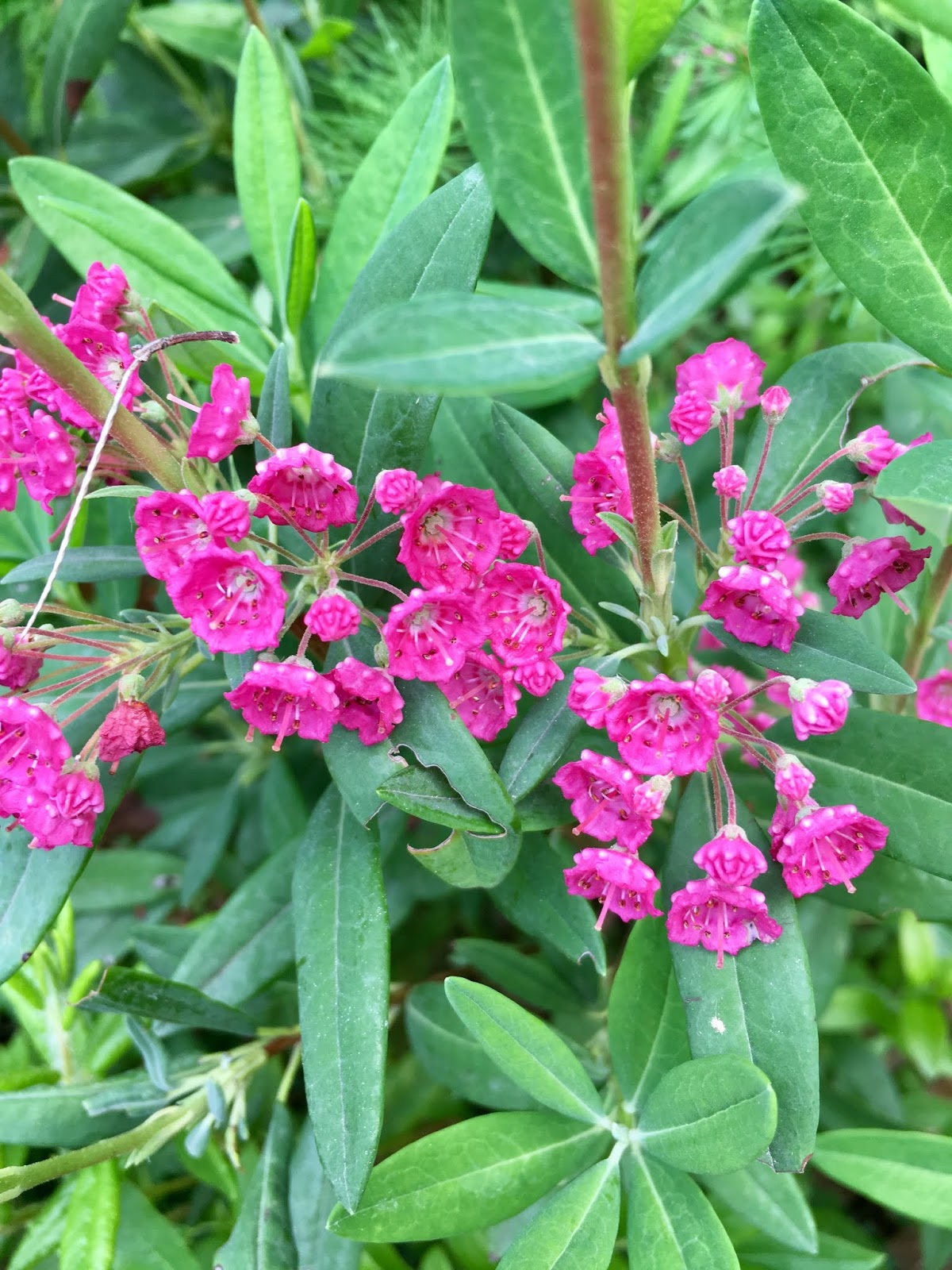
Sheep laurel (Kalmia angustifolia)

Sheep laurel (Kalmia angustifolia)

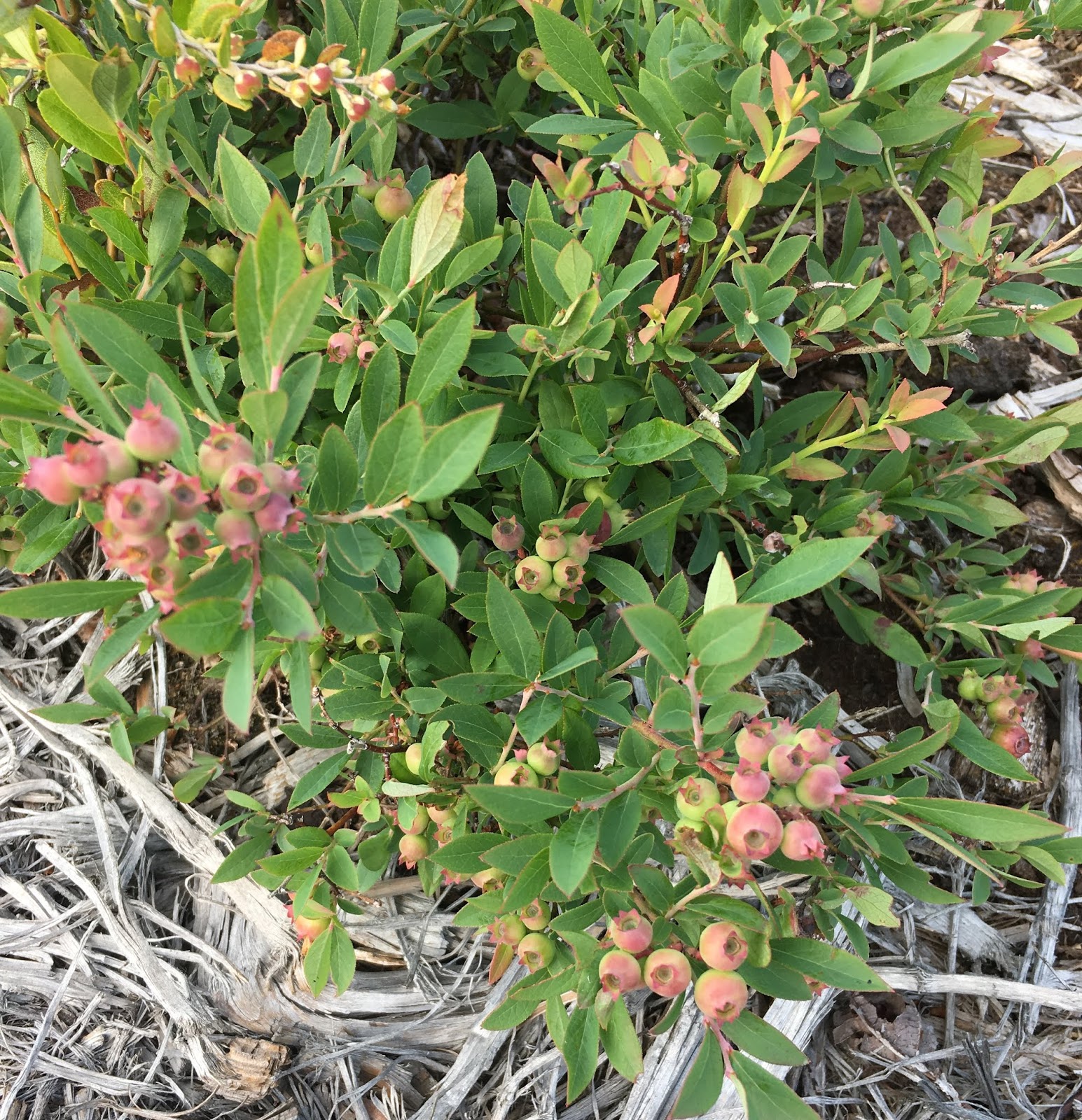
A low-growing blueberry (Vaccinium species)

Sedge bog

Cattail marsh

A nearby peat-mining operation

Just about every nursery sells peat as a soil amendment. But, what exactly is peat? It's partially decomposed plant material that accumulates in peatlands or bogs over a period of thousands of years. Sphagnum moss is a major component but other kinds of decomposed bog plants also contribute. In boreal habitats peatlands average about 5-8 feet deep.
I'm not a big fan of using peat as a soil amendment because decomposed leaves and other forms of natural compost are preferable. Nor do I particularly like the idea of harvesting peat because doing so destroys natural bogs and the interesting plants they harbor, including rare species such as pitcher plants (Sarracenia species). These peatlands can regenerate following harvesting but it takes a very long time (hundreds of thousands of years). Also, some (many?) of the plant species that originally occupied the site may not successfully recolonize the area.
Below are photos of a peatland that is currently being mined for peat. It's located less than 10 minutes from our house in Le Bic on the Gaspe Peninsula.

Processing harvested peat

Based on the height of the adjacent bank, about 6 feet of peat
has been harvested from this peatland


Exposed peat in the harvested peatland.
Adjacent areas were being colonized by various plants including sedges